


Dr. Sushil Kumar Chopra
Dr. Sushil Kumar Chopra is working in IVF Department for the last 25 years. He is a clinical Embryologist, looking after all the procedures related to Andrology & IVF Lab. He is also life member of Academy of clinical Embryologists & Indian Fertility Society. He got his initial training in reproductive medicine from institute of reproductive medicine Kolkata. He also did advanced course in practical and theoretical training in ART from Medical fertility school, Copenhagen University, Denmark.
- 25+ Years of Experience
- 20,000+ IVF Procedures
- 50,000+ Happy Patients
Years of Experience
IVF Procedures
Happy Patients
The Best Treatments
You Can Get
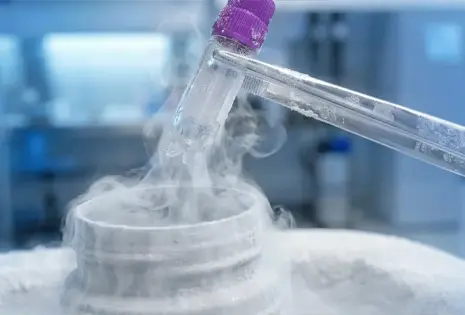
Embryo Freezing
Embryo freezing has transformed the landscape of fertility treatment, offering individuals and couples facing infertility a valuable option for preserving and expanding their reproductive options.
View All Details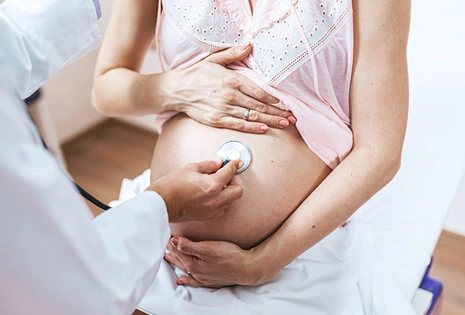
High Risk Pregnancy
High-risk pregnancy presents unique challenges and requires specialized care to ensure the health and well-being of both mother and baby.
View All Details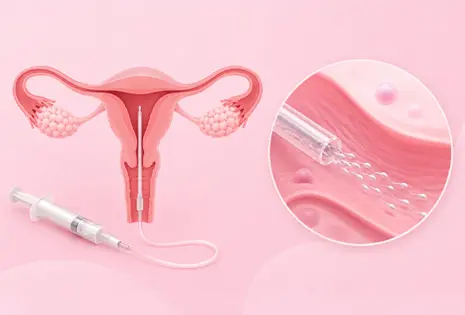
IUI
(Artificial Insemination)
AIUI stands for Intrauterine Insemination. It's a fertility treatment that involves placing sperm inside a woman's uterus to facilitate fertilization.
View All Details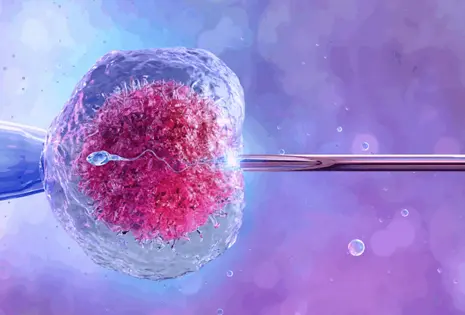
Blatocyst Transfer
Blastocyst transfer represents a significant advancement in the field of assisted reproductive technology, offering hope to individuals and couples struggling with infertility.
View All DetailsWe help you live your life in full motion.
View All ServicesTaking Care of You and Your
Baby Pregnancy Timeline









Make An Appointment



Healing patients the right way
We're Here For You
Having an child is desire of each and every couple. But due to some harmonal defects some people face problem in having a baby. IVF is the easiest and successful solution these day's to have a baby with the help of test tube baby method.
- Expert Care
- Highest Success Rate
- 24/7 Care
- Affordable Fees
Frequently Asked Questions
In vitro fertilization (IVF) is the most common type of assisted reproductive technology (ART), used to create an embryo by bypassing certain causes of infertility, such as mild sperm abnormalities in men, and fallopian tube or ovulation irregularity in women.
There are a number of factors involved in determining if a patient is suitable for IVF treatment. Appropriate candidates often include couples who may experience: - Low sperm counts - Endometriosis - Problems with the uterus or fallopian tubes - Ovulation disorders - Sperm unable to penetrate or survive in the cervical mucus - Other health or unexplained reproductive issues The only way to know for sure if in vitro fertilization is right for you is to undergo a complete exam and consultation with Dr. Trolice and The IVF CenterSM staff.
According to national statistics from the Center for Disease Control, the average IVF success rates using one's own eggs begins to drop around age thirty and dips rapidly in the mid 30s and early 40s, due to lower egg quantity and quality. At The IVF CenterSM, our success rates consistently beat the national average. In addition to age, success rates with IVF vary with respect to one's height, weight, infertility diagnosis, sperm count, and reproductive history, such as the previous number of pregnancies, miscarriages and births.
The in vitro fertilization process can last anywhere from four to six weeks prior to egg retrieval. The embryo(s) will then be implanted between two to five days afterwards. Not all patients are successful on their first IVF attempt; in fact, it's not uncommon for patients to go through multiple IVF cycles before finally becoming pregnant. Are there any restrictions while undergoing IVF? Yes. Your doctor will recommend that you adhere to the basic guidelines below during the IVF process and into your pregnancy. - Smoking: It's recommended that both partners stop smoking at least three months before beginning an IVF cycle, and before ovulation induction begins. The effects of tobacco have been shown to be toxic and harmful to a woman's eggs. - Drinking: Alcohol should be avoided at the outset of IVF treatment, until one's pregnancy test, and if pregnant, until the birth of the child. - Medications: It's important to inform your doctor if you're taking any prescription or or over-the-counter medications. Some medicines can interfere with the prescribed fertility medication, or embryo transference, and others may not be safe to take before surgery. - Vigorous exercise: Intense physical activities like aerobics, weightlifting and running are prohibited during ovarian stimulation and until the results of one's pregnancy are known. - Supplements: Herbal supplements are completely prohibited during the IVF process. What happens if I become pregnant? Once a pregnancy is confirmed, you'll see your fertility doctor for continued blood testing, and eventually an ultrasound to confirm that the pregnancy is progressing smoothly. Once the fetus' heartbeat has been verified, you'll be referred to an obstetrician for the rest of your pregnancy.
Normally, patients are asked to wait for one or two full menstrual cycles before resuming another IVF cycle. Certain additional tests may be needed that could delay subsequent IVF cycles.